public – Page 6 – thefakeweddings.com

The evolution of gambling tracing the history from ancient to modern times

The evolution of gambling tracing the history from ancient to modern times

Origins of Gambling in Ancient Civilizations

The origins of gambling can be traced back thousands of years to ancient civilizations such as the Chinese, Egyptians, and Romans. In China, archeological evidence suggests that rudimentary forms of gambling, including the use of dice, were prevalent as early as 2300 BC. This early gambling was often associated with religious rituals or entertainment during festivities, reflecting its cultural significance. The Egyptians also engaged in games of chance, as seen in artifacts depicting various betting games that entertained both royalty and commoners alike. By exploring options, players can engage with exciting offerings like fortune gems demo jili for an immersive experience.

The Roman Empire further popularized gambling, incorporating it into their daily life and military culture. Gladiatorial contests often featured betting among spectators, fostering a competitive spirit and enhancing the thrill of the event. Additionally, the Romans established laws regarding gambling, highlighting its widespread nature and the need for regulation. As gambling became more structured, games of chance like dice and betting on chariot races became synonymous with Roman culture, laying the groundwork for future gambling practices.

As these early societies developed, they created intricate games that combined luck and skill, setting the stage for gambling as we know it today. The concept of wagering on outcomes evolved, becoming more refined with the emergence of commercial gambling in the Middle Ages. By embracing the excitement and unpredictability of chance, ancient civilizations contributed significantly to the evolution of gambling practices, influencing generations to come.

Gambling Through the Middle Ages

The Middle Ages marked a pivotal period in the evolution of gambling. During this time, various forms of games of chance emerged across Europe, particularly in Italy and France. The invention of playing cards in the 14th century transformed the landscape of gambling, giving rise to card games that became extremely popular in social circles. These games not only provided entertainment but also served as a medium for gambling, often played in taverns and amongst nobility.

As gambling gained popularity, regulatory measures began to surface. Governments started to impose taxes on gambling activities, seeking to control and benefit economically from the burgeoning interest in games of chance. In England, the Gaming Act of 1845 was introduced to regulate betting houses and promote fair play. This period also saw the rise of lotteries, a governmental approach to harness the excitement of gambling while generating funds for public projects. The complexities of gambling were beginning to intertwine with politics and society.

The expansion of gambling during the Middle Ages reflected broader social changes. As towns grew and commerce flourished, gambling became an accepted pastime among different social classes. However, it was still viewed with skepticism by the Church, which condemned gambling as a vice. Despite this opposition, the allure of games of chance continued to thrive, bridging gaps between different societal factions and evolving into a significant cultural phenomenon.

The Birth of Modern Gambling

The 18th and 19th centuries heralded a new era for gambling, characterized by the establishment of dedicated gaming houses and the emergence of modern casino culture. The first official casino, the Casino di Venezia, opened its doors in 1638 in Italy, setting a precedent for others to follow. This period witnessed a shift from informal, social gambling to organized establishments that catered to players seeking a more glamorous experience. This new environment attracted a diverse clientele, from aristocrats to everyday citizens, all eager to try their luck.

During this time, gambling games also underwent significant transformations. The development of roulette and the refinement of card games, such as poker and blackjack, became central to casino offerings. The rise of these games not only elevated the gambling experience but also laid the groundwork for the highly structured games enjoyed in modern casinos today. With casinos now offering lavish amenities and entertainment options, gambling became a key component of the tourism industry, particularly in regions like Monaco and Las Vegas.

The introduction of state-sponsored lotteries during this period further legitimized gambling in society. Lotteries became a means of raising funds for various projects, including infrastructure and education. This acceptance of gambling as a source of revenue led to greater regulation and the establishment of national and international lottery systems, integrating gambling into economic frameworks globally. By the end of the 19th century, gambling had transformed into a mainstream activity, reflecting the complexities of modern society.

The Digital Revolution and Online Gambling

The late 20th and early 21st centuries witnessed an unprecedented transformation in gambling due to the advent of the internet. Online gambling platforms emerged, providing users with the opportunity to gamble from the comfort of their homes. This shift disrupted traditional gambling models, making it accessible to a broader audience, regardless of geographic location. Internet gambling has led to the rise of virtual casinos, sports betting websites, and poker rooms, all flourishing due to the convenience offered by digital technology.

With advancements in technology, online gambling has evolved to include sophisticated graphics and interactive gameplay. This has enriched user experience and attracted a younger demographic that prefers mobile gaming. Additionally, the introduction of live dealer games has combined the thrill of in-person casinos with the convenience of online platforms, allowing players to engage with real dealers in real time.

However, the rise of online gambling has also raised regulatory challenges. Governments worldwide grapple with how to regulate this burgeoning industry effectively. Issues such as gambling addiction, underage gambling, and the potential for fraud necessitate comprehensive regulatory frameworks. Despite these challenges, online gambling continues to thrive, shaping the future of the gambling industry as it intertwines with technological advancements and consumer preferences.
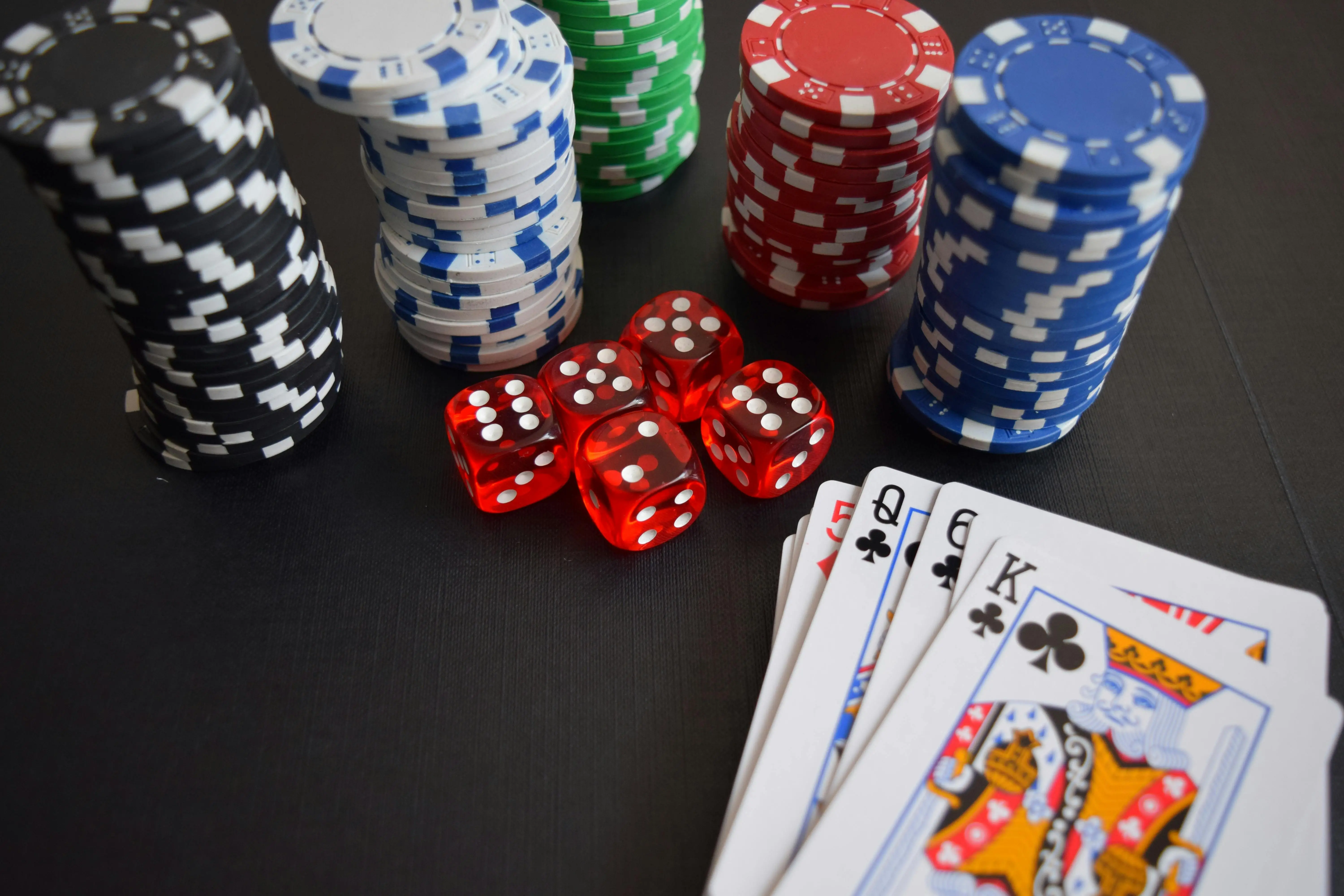
Fortune Gems: A Contemporary Gambling Experience

Fortune Gems represents a modern approach to online gambling, tailored for players seeking both excitement and accessibility. This online slot game features vibrant visuals and user-friendly mechanics, making it appealing to both novice and experienced gamers. With the option of free demo plays, players can familiarize themselves with the game before committing to real money bets, ensuring a safe and enjoyable experience. Fortune Gems caters to diverse playing styles with flexible betting options, creating an inclusive environment.

The platform’s commitment to providing an engaging gaming experience highlights the ongoing evolution of gambling. As players spin the reels and chase their fortunes, they partake in a tradition that spans centuries. The integration of technology within Fortune Gems exemplifies the fusion of historical gambling elements with contemporary digital advancements, ensuring that users enjoy a thrilling experience that resonates with their desires for entertainment and rewards.

As more players join the online gaming community, Fortune Gems continues to embrace the excitement and adventure associated with gambling. With each spin, players not only connect with the past but also partake in a vibrant future of gaming, characterized by innovation and engagement. By creating a user-centric platform, Fortune Gems exemplifies the ongoing evolution of gambling, ensuring that it remains a thrilling pastime for generations to come.

Психология игроков что движет вашими ставками в Pinup

Психология игроков что движет вашими ставками в Pinup

Мотивация игроков в азартных играх

Азартные игры привлекают людей по разным причинам. Многие игроки ищут острых ощущений и готовы остаться в напряжении. Участие в ставках может вызывать выброс адреналина, что делает игровой процесс особенно увлекательным. Это ощущение может становиться стимулом для повторных ставок и участия в новых играх. К тому же, атмосфера казино сама по себе создает дополнительный заряд эмоций. Например, стоит отметить, что Пин Ап казино предлагает уникальные возможности для улучшения своих навыков и получения новых эмоций.

Некоторые игроки обращаются к азартным играм в поисках финансовой выгоды. Они рассматривают ставки как способ получения дохода или выхода из финансовых трудностей. Эта мотивация может привести к рискованному поведению, особенно если игроки не осознают возможных последствий своих действий. Например, ставя больше, чем они могут позволить себе потерять, они рискуют своим благосостоянием ради потенциальной выгоды.

Другие игроки могут быть привлечены социальными аспектами азартных игр. Игра в казино или онлайн-платформе, такой как Pinup, предоставляет возможность взаимодействия с другими игроками. Социальные связи могут усиливать желание участвовать в ставках и создавать ощущение общности. Для многих это становится важным элементом их досуга и образа жизни.

Психологические аспекты азартных игр

Психология игроков играет ключевую роль в их решениях о ставках. Ожидание победы, а также иллюзия контроля могут влиять на восприятие игроков о своих шансах на успех. Многие уверены, что могут предсказать исход игры или поведение других игроков, что часто приводит к неправильным решениям. Такие заблуждения могут делать игру еще более захватывающей и увлекательной.

Эмоциональное состояние игрока также сильно влияет на его поведение. Успехи могут вести к чрезмерной самоуверенности, в то время как неудачи вызывают чувство тревоги или депрессии. Эти эмоции могут побудить игроков делать ставки в попытке «отыграться» или, наоборот, отказываться от игры из-за страха перед потерями. Важно понимать, как эмоции влияют на решение об участии в азартных играх.

Также стоит отметить влияние различных триггеров, таких как реклама и маркетинг. Казино часто используют стратегии, чтобы привлекать внимание и удерживать интерес игроков. Это может быть как создание уникальных предложений, так и использование яркого визуального оформления. Такие приемы создают необходимость в постоянном участии, что увеличивает время, проведенное в азартных играх.

Влияние окружения на азартные игры

Окружение играет важную роль в формировании психологического состояния игрока. Игроки часто попадают в атмосферу, наполненную светом, звуками и запахами, которые создают определенное настроение. Влияние окружающей среды может увеличить вероятность ставок, так как игроки подсознательно воспринимают ее как сигнал для игры. Это объясняет, почему многие предпочитают физические казино вместо онлайн-площадок.

Кроме того, друзья и знакомые могут оказывать сильное влияние на азартные привычки. Если человек окружен другими игроками, он чаще будет вовлекаться в ставки и азартные игры. Психологический эффект группы может способствовать созданию социальной нормы, в которой азартные игры рассматриваются как приемлемое поведение. Эта динамика может оказывать как положительное, так и отрицательное влияние на решение о ставках.

Участие в азартных играх также может зависеть от культурных факторов. В разных странах и регионах отношение к азартным играм может варьироваться. Например, в некоторых культурах азартные игры рассматриваются как способ отдыха и досуга, в то время как в других они могут осуждаться. Это разнообразие культурных норм формирует поведение игроков и их подход к ставкам.

Проблемы зависимости и преодоления

Несмотря на привлекательность азартных игр, они могут привести к серьезным последствиям, таким как зависимость. Игроки, которые начинают ставить больше, чем могут себе позволить, часто оказываются в ловушке. Это может привести не только к финансовым проблемам, но и к разрушению личных отношений и ухудшению психологического состояния. Понимание рисков и последствий важно для поддержания здорового баланса между азартными играми и жизнью.

Преодоление зависимости требует серьезного подхода. Игроки должны быть готовы признать свою проблему и искать помощь. Это может включать в себя консультации с психологами, участие в группах поддержки или специализированные программы реабилитации. Важно, чтобы игроки понимали, что не одни в своей борьбе и могут рассчитывать на помощь окружающих.

Также стоит обратить внимание на доступные инструменты для контроля своих ставок. Многие онлайн-платформы, такие как Pinup, предлагают функции ограничения времени и суммы ставок. Это может помочь игрокам сохранять контроль над своими действиями и предотвратить возникновение проблем с азартными играми. Применение таких инструментов играет важную роль в поддержании ответственного игрового поведения.

Казино Pinup: ваш путь к увлекательному азартному миру

Казино Pinup предлагает своим пользователям уникальную возможность погрузиться в мир азартных игр с максимальным комфортом. Платформа предлагает широкий выбор игр, включая слоты, настольные игры и live-казино, что позволяет игрокам выбрать то, что им больше всего по душе. Удобный интерфейс и наличие множества бонусов делают эту платформу привлекательной для новых и опытных игроков.

Безопасность и удобство являются приоритетами для Pinup. Платформа обеспечивает надежную защиту личных данных и финансовых транзакций, что позволяет игрокам сосредоточиться на игре. Быстрая регистрация и возможность пополнения счета в тенге делают процесс игры доступным и простым. Все это создает положительный опыт для пользователей и способствует их возвращению.

Pinup не только предлагает развлечение, но и заботится о своих игроках. Платформа предоставляет информацию об ответственной игре и инструменты, которые помогают игрокам контролировать свои азартные привычки. Участие в азартных играх должно быть приятным и безопасным, и именно это стремится обеспечить казино Pinup, помогая игрокам наслаждаться азартом без лишних тревог.

Coronavirus disease 2019

COVID-19 is a contagious disease caused by the coronavirus SARS-CoV-2. In January 2020, the disease spread worldwide, resulting in the COVID-19 pandemic.

The symptoms of COVID‑19 can vary but often include fever,[7] fatigue, cough, breathing difficulties, loss of smell, and loss of taste.[8][9][10] Symptoms may begin one to fourteen days after exposure to the virus. At least a third of people who are infected do not develop noticeable symptoms.[11][12] Of those who develop symptoms noticeable enough to be classified as patients, most (81%) develop mild to moderate symptoms (up to mild pneumonia), while 14% develop severe symptoms (dyspnea, hypoxia, or more than 50% lung involvement on imaging), and 5% develop critical symptoms (respiratory failure, shock, or multiorgan dysfunction).[13] Older people have a higher risk of developing severe symptoms. Some complications result in death. Some people continue to experience a range of effects (long COVID) for months or years after infection, and damage to organs has been observed.[14] Multi-year studies on the long-term effects are ongoing.[15]

COVID‑19 transmission occurs when infectious particles are breathed in or come into contact with the eyes, nose, or mouth. The risk is highest when people are in close proximity, but small airborne particles containing the virus can remain suspended in the air and travel over longer distances, particularly indoors. Transmission can also occur when people touch their eyes, nose, or mouth after touching surfaces or objects that have been contaminated by the virus. People remain contagious for up to 20 days and can spread the virus even if they do not develop symptoms.[16]

Testing methods for COVID-19 to detect the virus’s nucleic acid include real-time reverse transcription polymerase chain reaction (RT‑PCR),[17][18] transcription-mediated amplification,[17][18][19] and reverse transcription loop-mediated isothermal amplification (RT‑LAMP)[17][18] from a nasopharyngeal swab.[20]

Several COVID-19 vaccines have been approved and distributed in various countries, many of which have initiated mass vaccination campaigns. Other preventive measures include physical or social distancing, quarantining, ventilation of indoor spaces, use of face masks or coverings in public, covering coughs and sneezes, hand washing, and keeping unwashed hands away from the face. While drugs have been developed to inhibit the virus, the primary treatment is still symptomatic, managing the disease through supportive care, isolation, and experimental measures.